


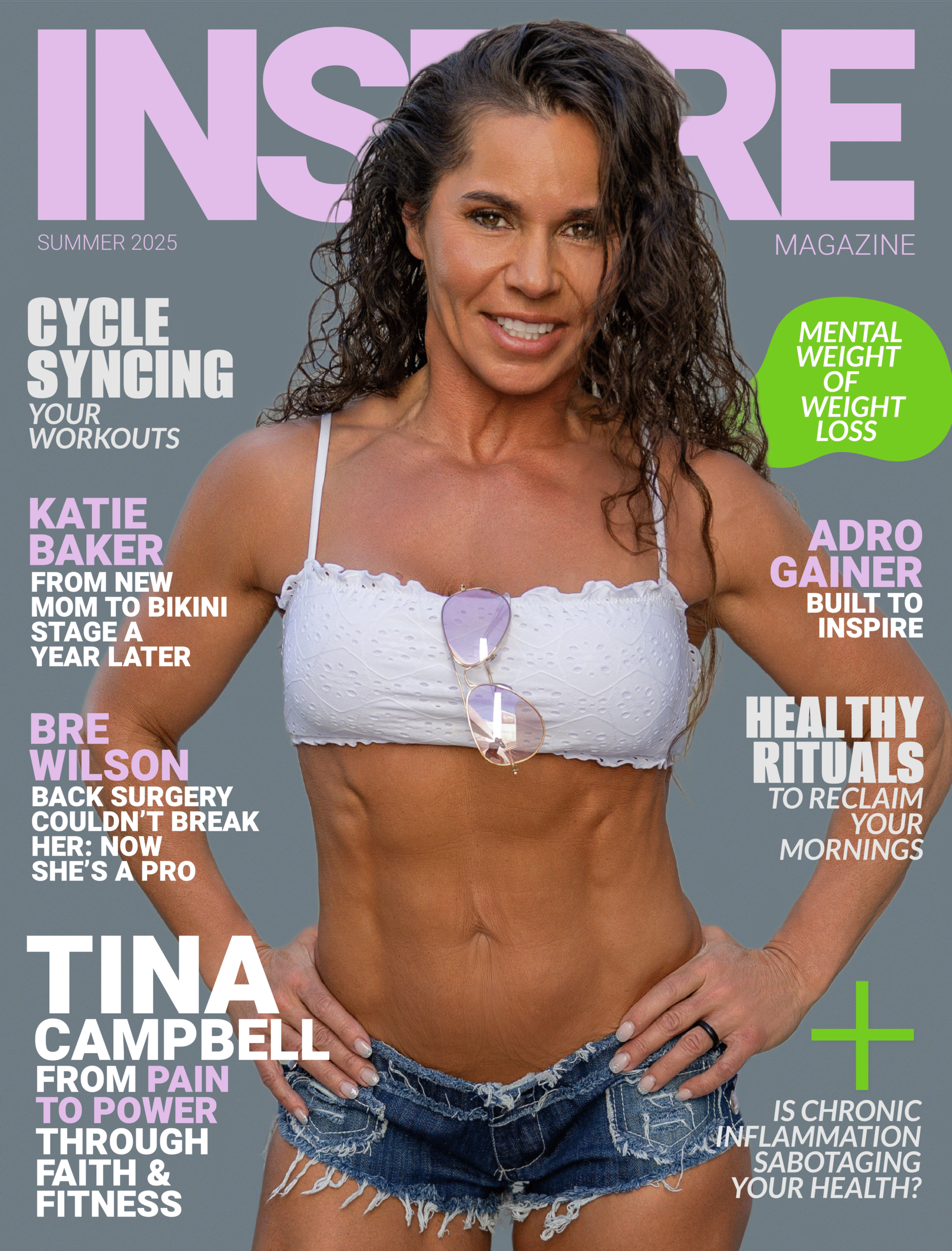

INSPIRE Magazine: The Mental Weight Of Weight Loss
“The hardest part of weight loss isn’t what you see on the scale. It’s what you carry in your mind.”

INSPIRE Magazine: Cycle Syncing Your Workouts
“What if the reason some workouts feel incredible and others feel impossible has nothing to do with discipline and everything to do with hormones?”
INSPIRE Magazine: Is Chronic Inflammation Sabotaging Your Health?
Chronic inflammation isn’t a personal failure; it’s a call for change.

INSPIRE Magazine: Healthy Rituals To Reclaim Your Mornings
Reclaiming your mornings is not about becoming a perfect person. It is about taking back ownership. It is about deciding that you deserve to begin the day with clarity instead of chaos. It is not about adding more to your plate. It is about shifting your focus to what actually supports you.

INSPIRE Magazine: Bre Wilson – Back Surgery Couldn’t Break Her…Now She’s An IPL Pro
“It’s more than a title. It’s proof that setbacks don’t define you, perseverance does.”

INSPIRE Magazine Cover Story: Tina Campbell – From Pain To Power, Through Faith & Fitness
“No matter what challenges life throws at you, resilience, faith, and determination can carry you through. You just need to believe.”

INSPIRE Magazine: Adro Gainer – From Challenge to Champion
“That moment on the couch could’ve ended everything. But instead, it lit the fire that built the athlete I am today.”

INSPIRE Magazine: Katie Baker – From New Mom to Bikini Stage A Year Later
“Pouring back into yourself postpartum is a must.”
New IPL Pro & Top Transformation Winner Tina Campbell Lands Cover Of INSPIRE Magazine
“When life knocked me to my knees, I learned that’s the perfect place to pray. After my son’s accident, I felt broken like there was nothing left of me. But through my faith, I found fire. Bodybuilding became my therapy. I stepped on that stage not for a trophy, but as proof that no matter how dark it gets, there’s always a light if you don’t stop fighting. Pain can become your power.”
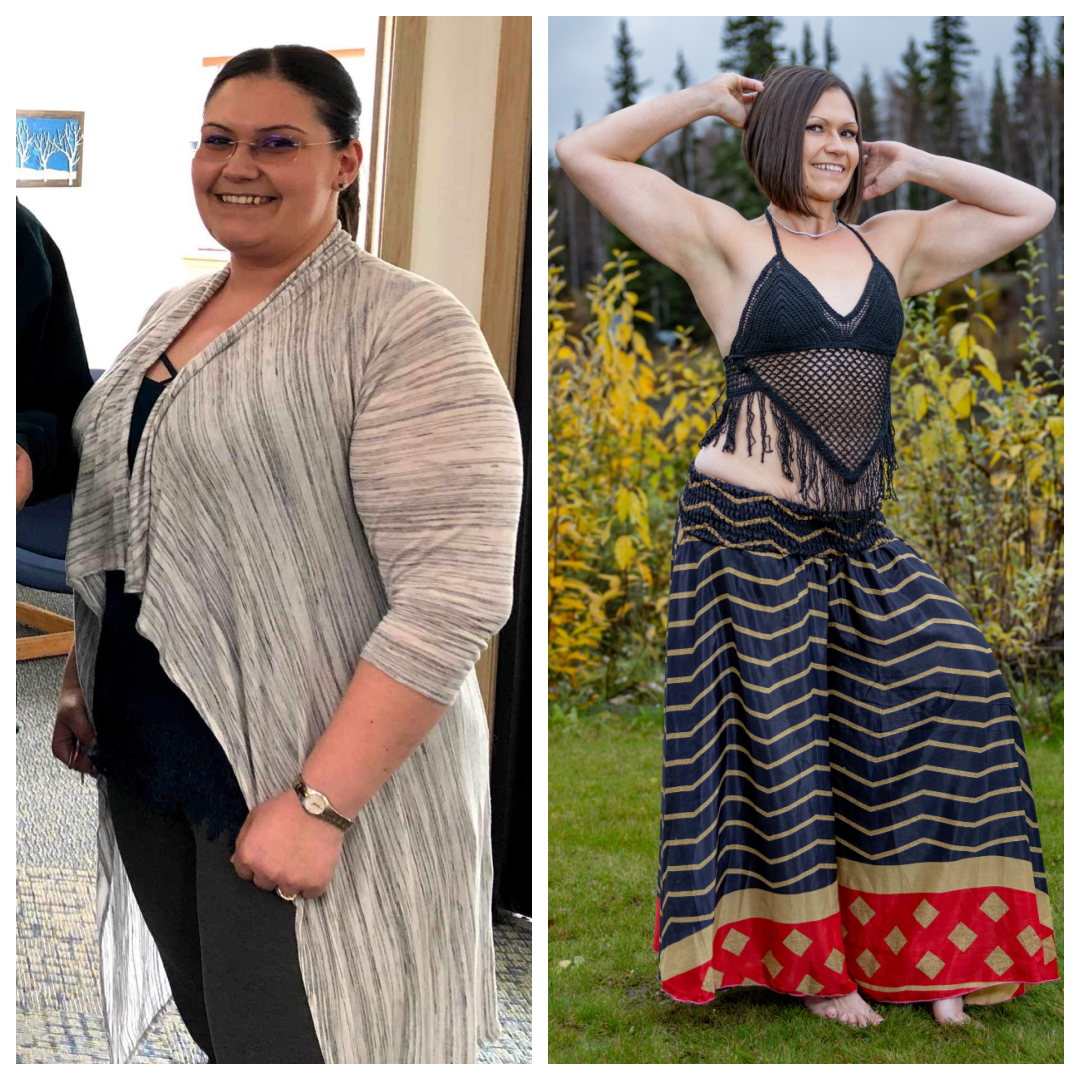
INSPIRE Magazine Cover Story: Kayla Smith Finds Strength Through 130 Pound Weight Loss Transformation
“I thank God for growth. Every step I take is most certainly stronger than the last. God bless the strength in all of us.”
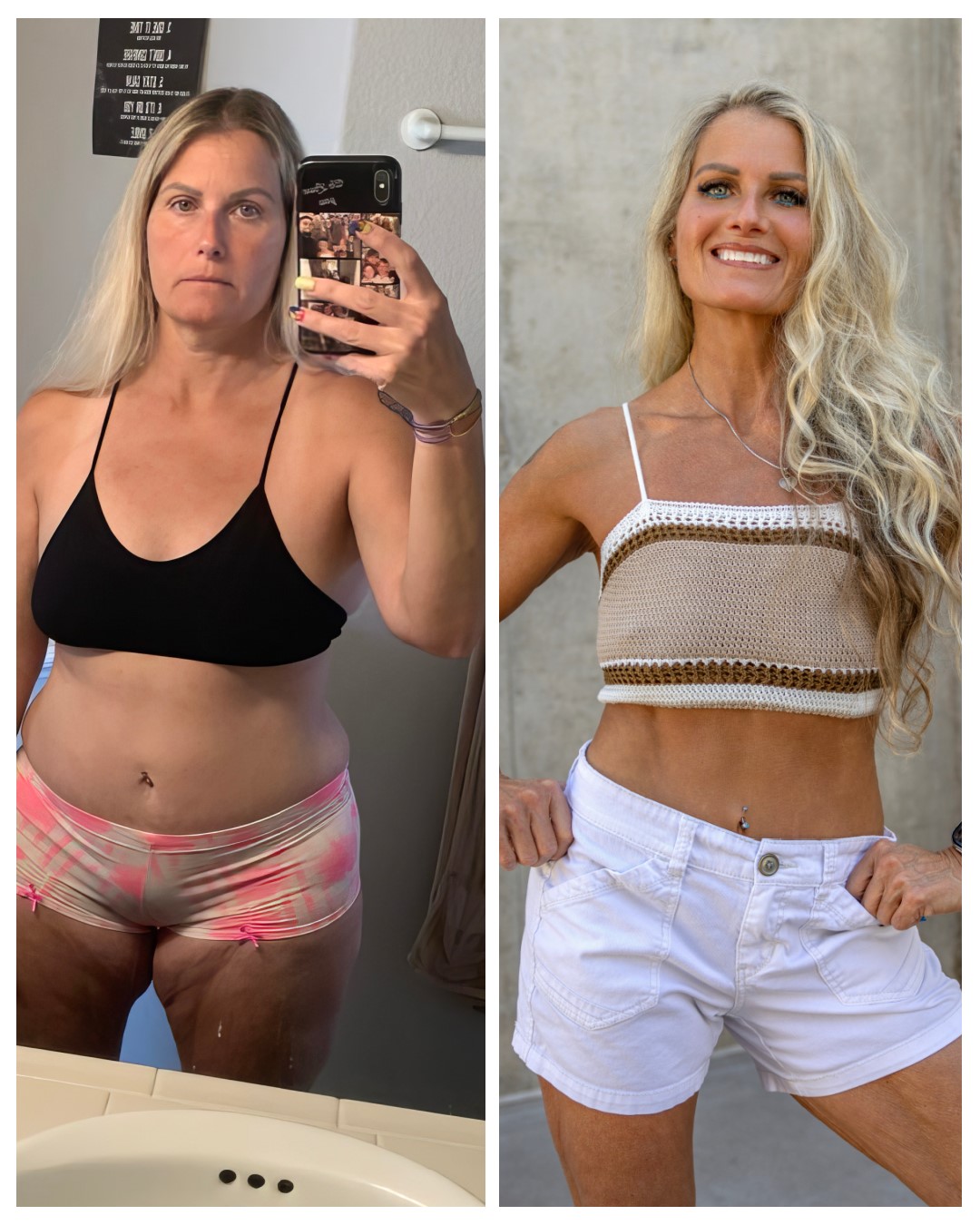
INSPIRE Magazine Cover Story: Rochelle Matter – Details Her Amazing Transformation Journey – And She’s Not Done Yet!
“Starting a fitness journey or entering competitions at 54, I’m living proof that it’s never too late to redefine your health and fitness goals.”

INSPIRE Magazine – Understanding & Overcoming Childhood Trauma
This article aims to delve deeper into the theoretical underpinnings and pathological manifestations of childhood trauma, laying the foundation for understanding its intricate dynamics.