
Lights Out! Get A Good Night’s Sleep.
Did you know that a good night’s sleep is vital to your physical health and emotional wellbeing?
THE BENEFITS OF A GOOD NIGHT’S REST should never be underestimated. To put it plain, do not underestimate a good night’s sleep. Getting proper sleep on a regular basis isn’t just a good idea, it is essential.
We all know that sleep has many benefits when it comes to managing stress, improving memory and putting us in a better mood. But, did you know that proper sleep can also help you with weight maintenance?
DO NOT END YOUR NIGHT SLEEPING IN FRONT OF THE TV
Americans are gaining weight at lighting speed! The great news is that this is largely a direct result of lifestyle choices. One such choice is falling asleep on the sofa with the television on. If you’re worried about weight gain, you may want to reconsider falling asleep to the flicker of the television light, according to research from Laura Fonken. In her dissertation research she focused on the effects that nighttime light exposure had on both physiology and behavior.
In one of Fonken’s research studies it was concluded that mice that were exposed to even dim light during their sleep cycles for an eight-week period gained about 50 percent more weight than mice that slept in the dark. As it was shown, light disrupts natural circadian rhythms which can influence appetite and eating behavior. This in tern may disrupt optimal food metabolism, encouraging eating at the wrong times (yes, that means you – the late night snacker!)
Want a bonus? Don’t forget to refrain from using your cell phone as well.
Not convinced? Other studies have also demonstrated the negative effects of not getting proper sleep. For example, people who sleep only five hours a night are 73% more likely to gain weight. Yes, 73%. That is a significant chance of weight gain. While each person’s sleep needs vary when it comes to the number of hours of sleep you should get each night, the National Sleep Foundation does suggest seven to nine hours for most adults.
So, as you can see, with simple lifestyle choices it may be easier than thought to manage the bulge. Simply get some quality shut eye. Don’t forget, to truly get a good night’s rest and to keep your waistline in check, turn off all the lights. And yes, that includes the television too. Want a bonus? Don’t forget to refrain from using your cell phone as well.
About the Author:
Kaylin Payne
Kaylin has achieved IPL Pro status in Figure and Women's Athletic. And has earned a Women's Athletic Pro title. She has also competed in the Bikini division. She is the creator and owner of MAXFIT 360, LLC. She has a M.S. in Sport Psychology, is a certified fitness trainer, group exercise instructor and a track and field coach.
Share this post:

ATHLETIC Magazine – Marc Monaco’s Possible Return To The Stage In 2024
“I feel I’ve done enough in Athletic and Sports Model. I’m really intrigued with the idea of possibly earning my Pro Cards in Bodybuilding.”

ATHLETIC Magazine – Top 10 Foods For Muscle Growth
Whether you’re a seasoned lifter or just starting out, incorporating the right foods into your diet can make all the difference.

ATHLETIC Magazine – Cover Story – Fee Williams: Entrepreneur & IPL Pro
“You’ll often work more hours for yourself than any job would ever require you to. So, if you want to be an entrepreneur, make sure it’s something you’re really passionate about.”
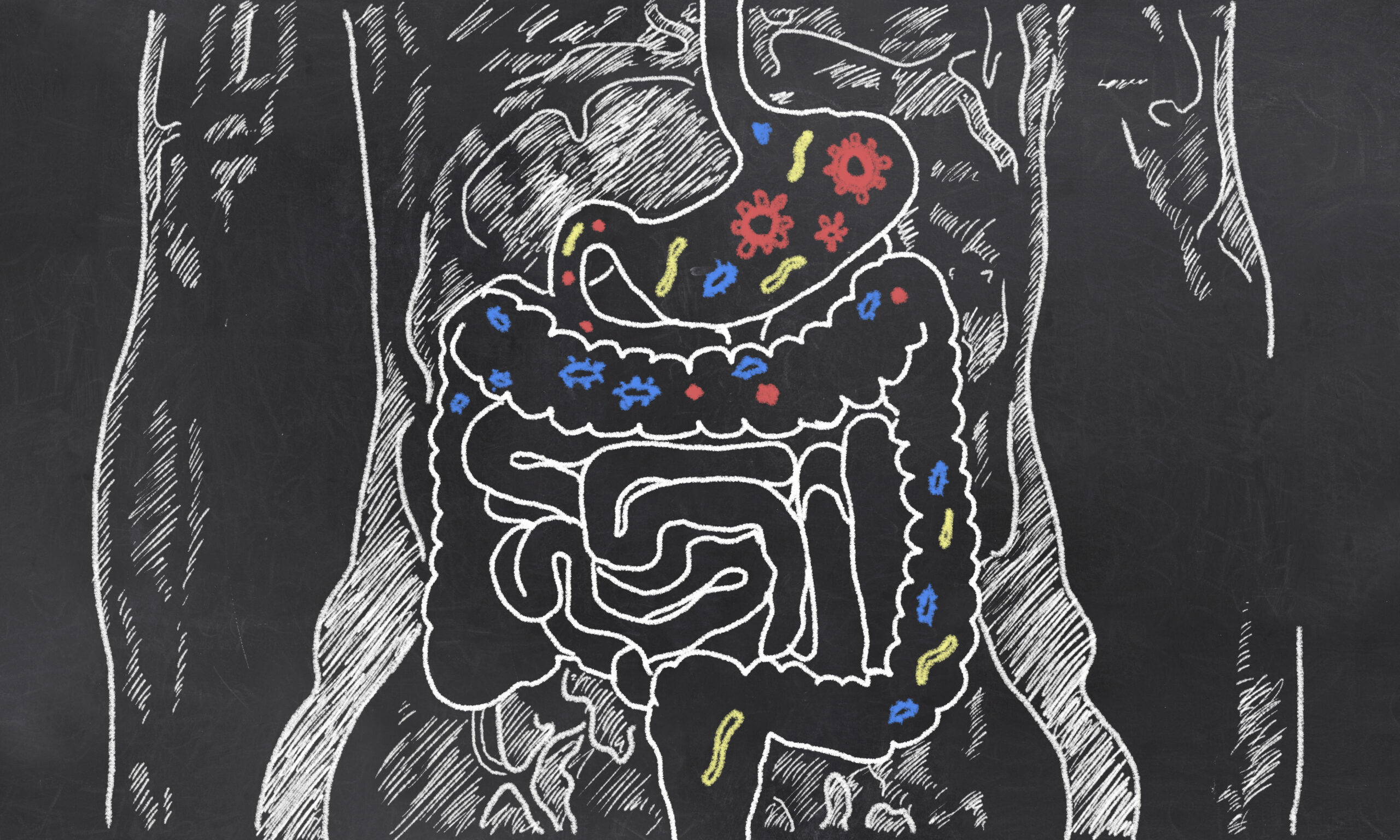
INSPIRE Magazine – How To Achieve Good Gut Health for Overall Wellness
Achieving and maintaining good gut health is crucial for a myriad of reasons, as it influences not only digestive functions but also plays a significant role in immune system strength, mental health, and overall wellness.

INSPIRE Magazine: Six Foods That Boost Your Immune System
Maintaining a robust immune system is crucial for overall health and well-being…While lifestyle factors like sleep, exercise, and stress management play significant roles, our diet also plays a pivotal role in supporting immune function.

INSPIRE Magazine – How Your Environment Affects Your Mental Health
Understanding the impact of our environment on mental health is crucial for fostering a supportive and conducive ecosystem for well-being.